
Platelet-Rich Plasma (PRP)
Platelet Rich Plasma (PRP) Platelet Rich Plasma Platelet-rich plasma or PRP is one of the most advanced treatments in facial rejuvenation with platelet-rich plasma. It is ideal for those cases in which you want to improve the appearance of the skin, increase sufficiency and luminosity.
It has a very intense rejuvenating and stimulating cellular effect. He It is a last technique incorporated without risks, which allows to stimulate fibroblasts and elastin to soften wrinkles.
How is the rejuvenation treatment performed with platelet-rich plasma? It is an outpatient treatment that is done in the office.
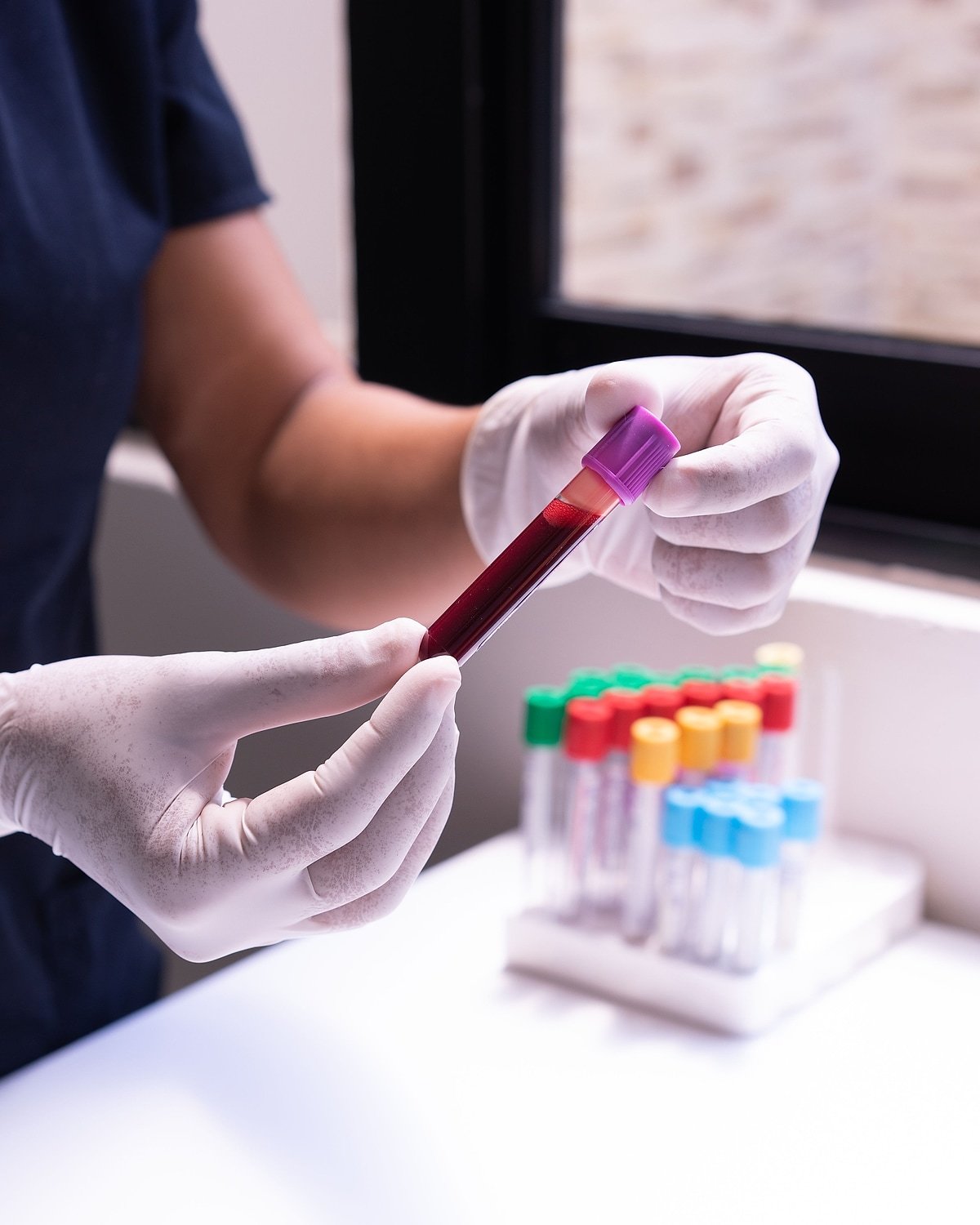
After the cleaning and preparation of the area to be treated, an anesthetic cream is applied. Blood is drawn from the patient himself, from which the platelet-rich plaque will be obtained, after undergoing a centrifuge and activating it.
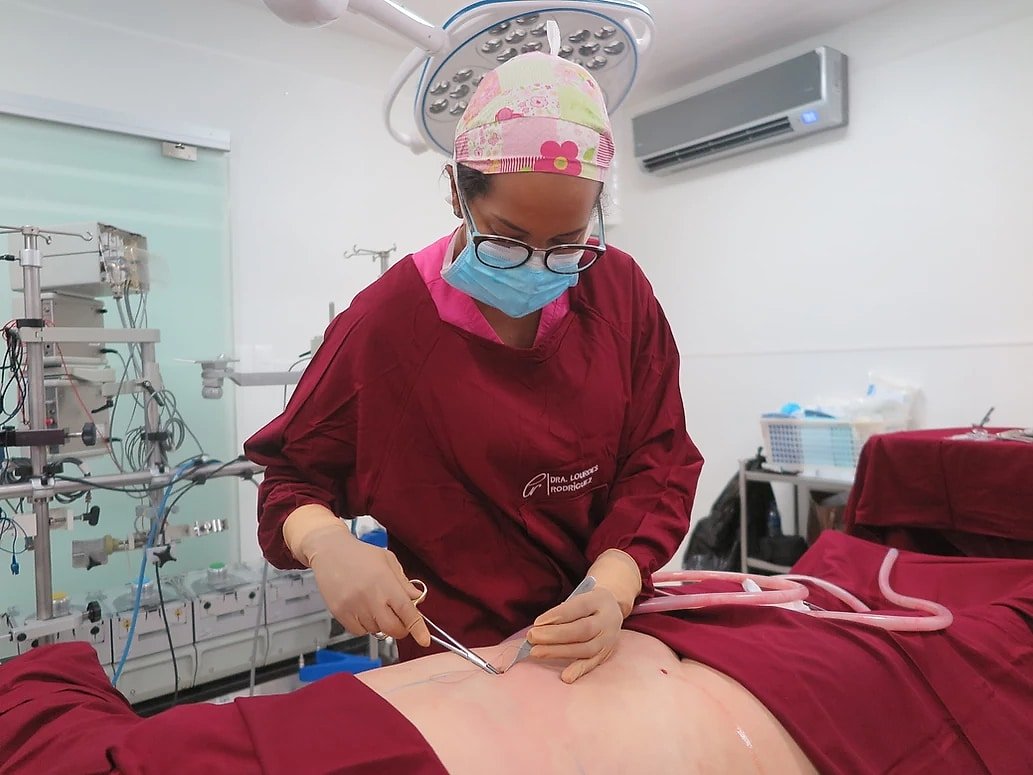
Once prepared, it will be applied through multipunctions with a very fine needle, in the form of mesotherapy. The number of sessions will depend on the condition of the skin of each patient.
Usually the proposal is 3 sessions spaced every month. At the beginning of the year, maintenance must be carried out, consisting of one session every 6 or 12 months.
The growth factors of platelet-rich plasma have to act by stimulating the tissue, therefore, there is no instant result. The effects appear with the passage of days and increase as they pass.
The effect is maximum at 20/30 days after treatment.