

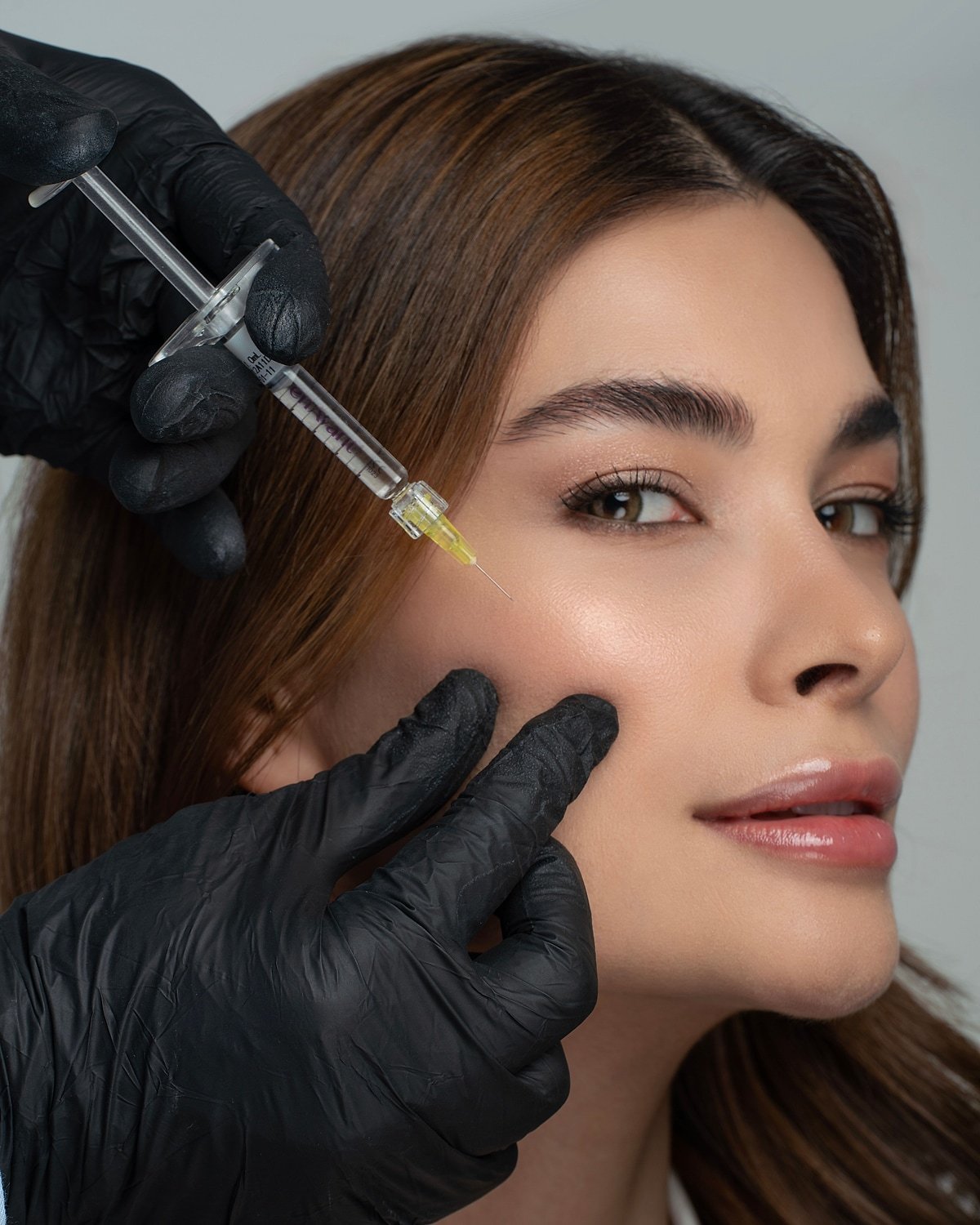
Close-up of an adult woman’s face during preparation for an injectable treatmentEditorial image · not a surgical result
All procedures

Nonsurgical

Facial Fillers

Injectable materials used to address volume, folds, or selected facial areas after an individual evaluation.

About Facial Fillers

Injectable materials used to address volume, folds, or selected facial areas after an individual evaluation.

Procedure informationLearn more about Facial Fillers

This information is educational and general. Indications, preparation, risks, and recovery are defined individually during a professional assessment.

Informational guide

Facial Fillers

Filling materials are biocompatible materials, which are used to correct wrinkles and furrows, to give volume to certain areas of the face, such as the lips, or revitalize the skin in a natural way and through a simple procedure. The passage of time produces the reduction and decrease of facial tissues, such as cheekbones, cheeks and mental arches, which gives rise to a haggard appearance and makes the patient feel that the face “falls off”.

With the disappearance of the natural filling tissues of the face, the first surplus skin appears. This one loses its natural supports in deep anatomical structures that “quilted”; its appearance and, in addition to appearing as a surplus, is flaccid and lack of smoothness.
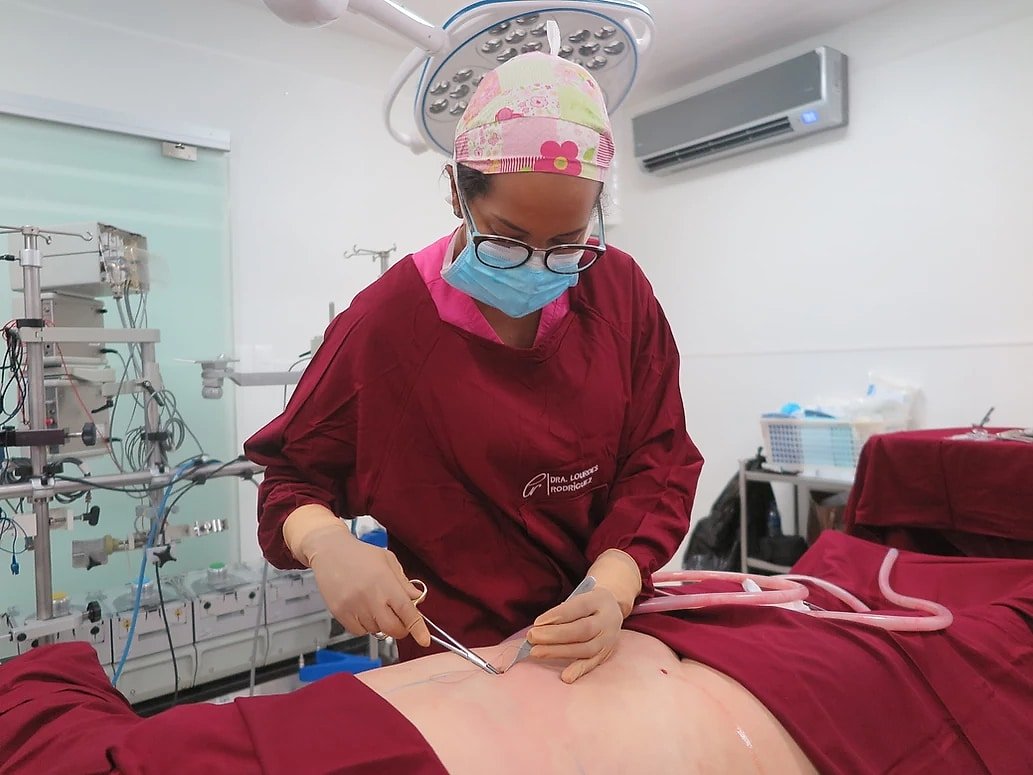
Dr. Lourdes Rodríguez working with precision in the operating room

A consultation worth having

Three questions worth making room for.

Bring them to your assessment. A well-supported decision begins when you can ask freely.

  1. 01

    What change am I seeking, and what do I want to preserve?

  2. 02

    Which limits and risks should be explained for my case?

  3. 03

    What recovery can I realistically plan for?

Prepare for my evaluation

When you are ready

Your first decision can simply be a conversation.

Tell us what you would like to explore. The team can guide you toward a next step, without commitments or online diagnosis.